
Cooking with ChatGPT
I am a MasterChef with the help of AI

ChatGPT has become my sous-chef. It makes cooking easier and helps me reduce food waste at home. My chat history is littered with recipe prompts and kitchen questions. A preview of what’s to come with AI as a daily household assistant? Well, we’re getting there.
Whenever I want something quick and easy, I scan the fridge and pantry and turn to ChatGPT: “We have x and x in the fridge, what can we cook out of it?” Sometimes I have an idea of what I want: “make me a recipe for chicken with olives.” Other times I just want to check if my taste buds are onto something: “do canned oysters go well with bibimguksu (Korean spicy cold noodles)?” For the record, they do, and it was fantastic.
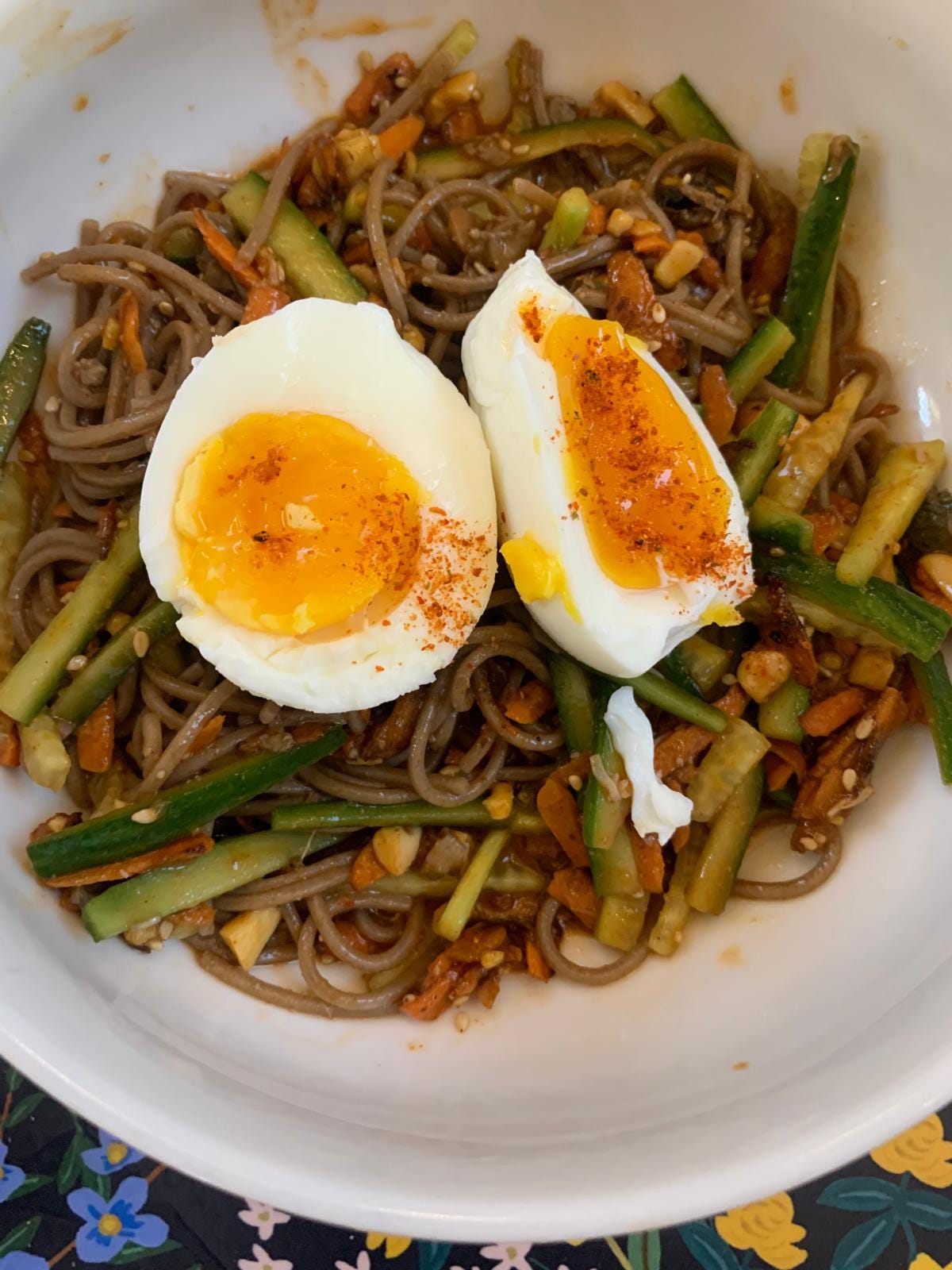
This way of cooking helps me use up what’s on hand and cuts down on waste. One time we had leftover frozen shrimp, and I had a vague idea to make shrimp patties. ChatGPT helped me with the recipe, suggesting a mix of spices such as smoked paprika, celery salt (why we have it in our cupboard is a mystery), and pepper. That one was a hit and tasted like something out of a seafood shack.
Before ChatGPT, I mostly relied on recipe websites, which on my dinosaur-era iPhone meant lag and endless scrolling to reach the ingredient list. Now I quickly paste the recipe link into ChatGPT and ask it to summarize. Many times, I ask it to tweak the recipe to match my pantry or my cravings. It is also great at suggesting substitutes for any ingredients I am missing when cooking. It will convert ounces (those uniquely American measurements) into grams or adjust servings. Cooking feels lighter, more like entering a food rhapsody than following rigid instructions.
I’m still warming up to AI’s voice features, but they do make sense in the kitchen. No more washing my hands after typing a prompt, then washing them again to keep chopping. Another good tip is creating a dedicated recipe folder in my ChatGPT account. Having a folder makes it easier to return to my go-to meals. I also ask AI for kitchen cleaning tips. In fact, while I was writing this, my partner asked me to ask AI how to get rid of the food smell in the microwave.

AI is also helpful for meal planning. I’ve asked it to design recipes that are iron-rich or cholesterol-friendly. I wouldn’t replace a nutritionist with AI, but I do see value in complementing professional advice with tailored, real-time meal ideas. AI has advanced enough that it can explain calories or nutrient breakdown of a dish – Regina George wouldn’t be fooled so easily – and even suggest pairings for a more balanced meal.
But I am not outsourcing everything to the Cloud. Human involvement in food is still essential. I personally like going to the grocery store (I get my steps, too). I like browsing seasonal produce and noticing how food tastes best at its natural peak. Tomatoes in summer, cabbages in winter. I like browsing our cookbooks and scrolling food reels for inspiration and ideas.
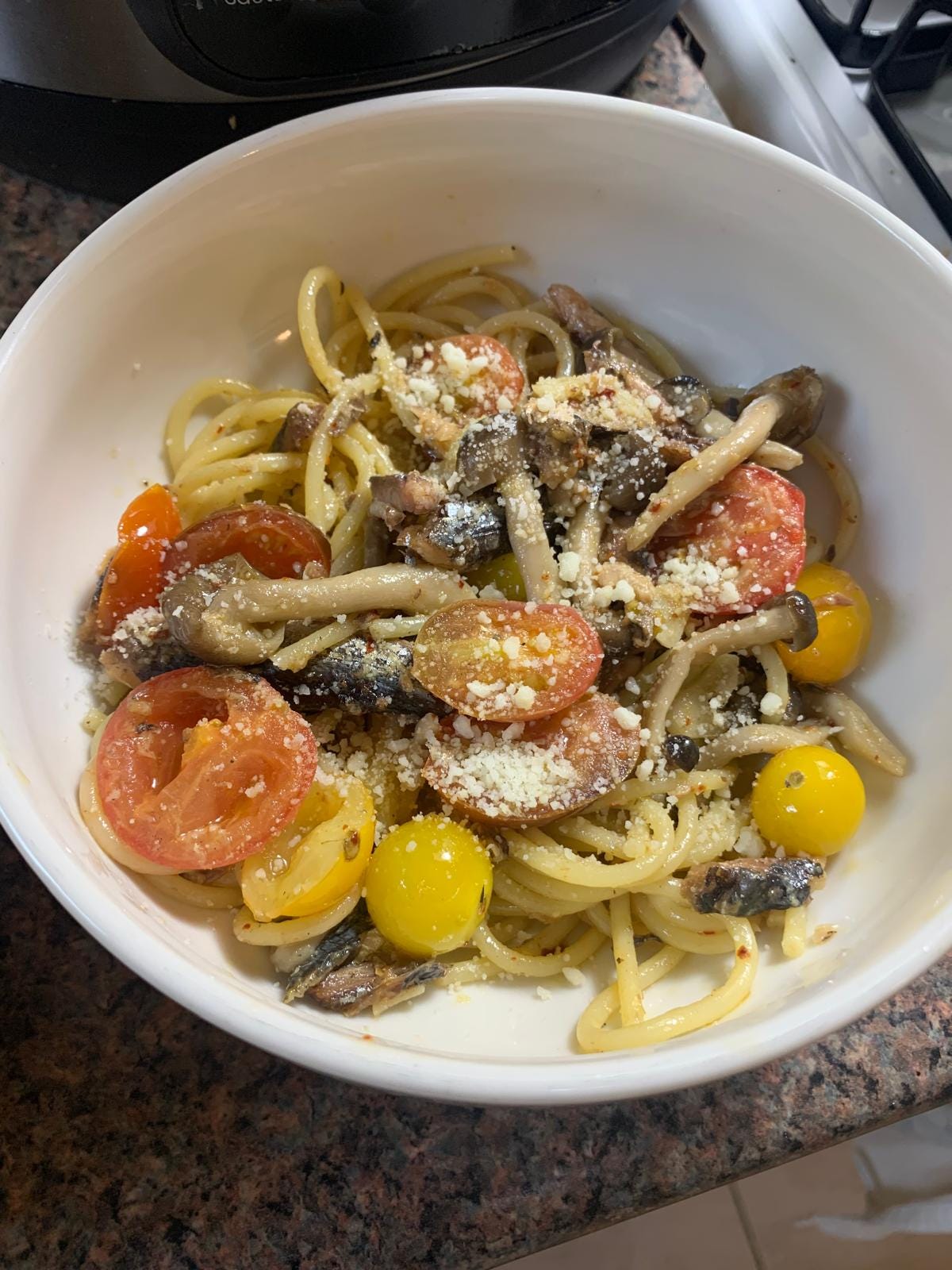
At the same time, experimenting with and learning about food is so much easier now with AI. I have no excuse. By asking AI what’s in season, I’ve become more aware of the food cycle. All this reminds me of a meme that I read a while back: when they say make AI useful, this is what we mean, help us with our household chores, and not take our creative jobs away. Help us be better cooks.
Of course, I wish I were having these conversations with elders back home, but I think this is the adjustment we make, living in the “modern” society. The human joy of preparing, sharing, and learning about food is surprisingly amplified with AI.